Factory-calibrated mechanical hand tools and ratcheting pliers engineered to deliver micro-tolerance compression heights, optimal gas-tight contact compaction, and zero operator error across continuous production shifts.
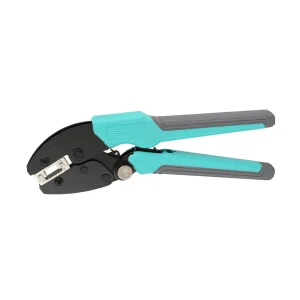
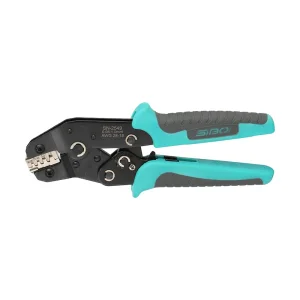
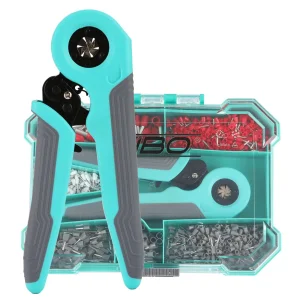
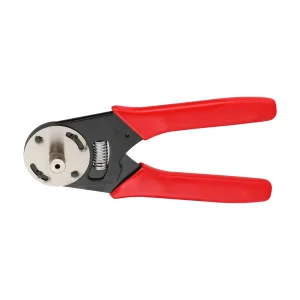
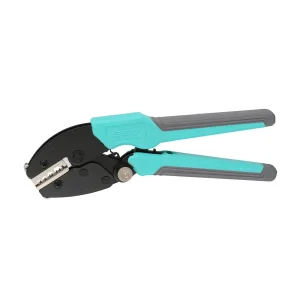
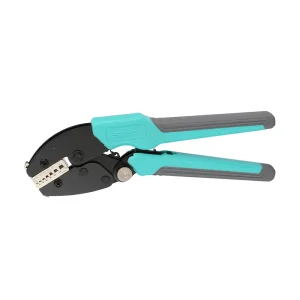
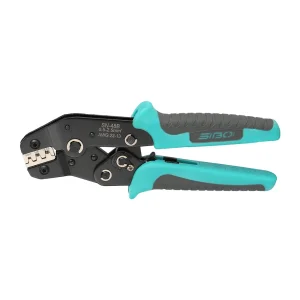
From basic mechanical lever indenters to digitally calibrated crimp force monitoring (CFM) and self-adaptive servo systems, crimping tooling is undergoing a fundamental transformation driven by electrification, miniaturization, and micro-ohm resistance mandates.
In modern electrical engineering, the crimped termination is no longer regarded as a simple mechanical deformation; it is classified as a gas-tight metallurgical cold-weld. When copper strands are compacted inside a terminal barrel under precisely calculated tonnage, the individual wire boundaries break down under extreme friction and pressure, creating an intermolecular metallic bond. As renewable energy grids, electric vehicle (EV) high-voltage powertrains, and high-frequency communication protocols demand higher power densities, terminal crimping standards have tightened drastically worldwide.
Historically, hand tools were susceptible to operator inconsistency. Incomplete handle closure, asymmetrical jaw alignment, and inaccurate cavity sizing yielded high contact resistance, micro-arcing, and thermal failure. Today, the leading China crimper machine suppliers have eliminated these vulnerabilities through four synchronized engineering advancements:
Precision-notched gear racks lock tool movement until terminal compression achieves 100% mechanical stroke depth, guaranteeing compliance with DIN EN 60352-2 pull-off requirements.
Die cavities cut via slow-wire Electrical Discharge Machining achieve tolerances under ±0.005mm, preventing strand shearing while securing optimal compaction volume ratios.
Specialized profiles tailored for 1500V MC4 connectors ensure that micro-voids are eliminated, safeguarding photovoltaic installations against destructive series arcing.
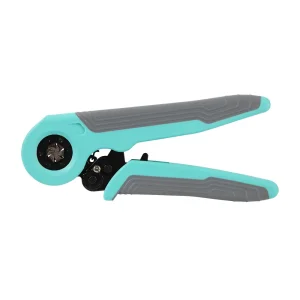
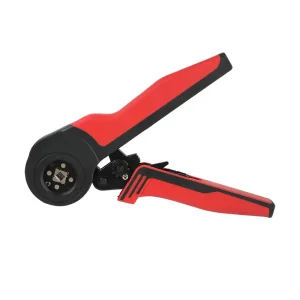
Four-mandrel and hexagonal self-adjusting jaws dynamically equalize radial forces, accommodating diverse stranded wire variations without manual die swap overhead.
Auditing Chinese tool manufacturing ecosystems requires rigorous cross-examination of metallurgical composition, mechanical fatigue limits, Cpk process capability, and full traceability.
International electrical contractors, original equipment manufacturers (OEMs), and white-label hardware brands follow precise criteria when screening a China crimper machine supplier. Tool breakdown on an active assembly line or solar farm leads to costly downtime, fire hazard liability, and brand reputational damage. Below are the definitive benchmarks evaluated during factory audits:
| Evaluation Metric | Standard Hand Tool Specification | SIBO Industrial Grade Criteria | Compliance & Verification Protocol |
|---|---|---|---|
| Die Steel Metallurgy | Standard Carbon Steel (#45 / Q235) | Vacuum Heat-Treated SKD-11 / 40Cr Alloy | HRC 58-62 Hardness Testing, Spectrometer Analysis |
| Mechanical Service Life | 5,000 – 10,000 Cycles | 50,000+ Verified Ratchet Stroke Cycles | Automated Pneumatic Endurance Rig Fatigue Log |
| Pull-Off Retention Force | Random Sample Testing | 100% Exceeds DIN EN 60352-2 & UL 486A-B | Calibrated Digital Tensile Tester (N / lbf record) |
| Die Cavity Precision | Stamping Die ±0.05mm | Slow-Wire CNC EDM Machining ±0.005mm | Optical Coordinate Measuring Machine (CMM) |
| Ergonomic Hand Force | Excessive Strain (>280 N peak force) | High-Leverage Pivot Geometry (<160 N peak) | Multi-Component Non-Slip TPR Grip Ergonomic Profiling |
Centering manufacturing in Yueqing, Zhejiang—the electric capital of China—yields structural advantages in vertical integration, localized material access, and extreme agility from CAD prototype to container-level shipment.
Located within China's low-voltage electrical ground zero, our facility sources specialized cold-rolled steel coils, micro-switch hardware, and customized terminal profiles within a 20-kilometer radius, drastically shortening raw component lead times.
Tool design, progressive die blanking, CNC machining, automated vacuum tempering, electrostatic surface coating, and laser etching all take place under one roof, guaranteeing complete quality accountability and intellectual property protection.
Whether engineering non-standard dies for proprietary military connectors or configuring heavy-duty Oxford tool kits for field crews, our dedicated R&D engineers transition from 3D modeling to physical tool validation in under 15 working days.
SIBO crimping systems are actively deployed in high-stress, mission-critical environments where termination failure is simply not an option.
Deploying the SO-2546B Pro and SO-2546C Pro across utility solar farms in Spain, Arizona, and the Atacama Desert. High thermal cycling and extreme UV demand perfect contact crimping on 2.5mm² to 6.0mm² solar cables to stop thermal runaway.
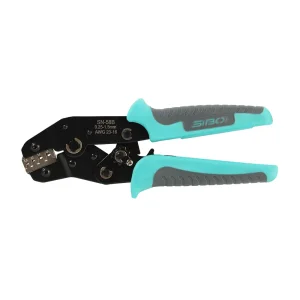
Utilizing Deutsch DT Closed Barrel Tools and SN-48B Open Barrel Crimpers for Tier-1 automotive harness subassemblies. Resists severe road vibrations and temperature shock while fulfilling USCAR-21 automotive testing requirements.
Employing SO-10WF Pro and self-adaptive SO 16-4 ferrule crimpers in DIN-rail terminal blocks and PLC panels. Hexagonal and square compact compression profiles prevent strand splay and eliminate hotspot hazards in continuous high-amperage operation.
Explore specialized quick-swap magnetic die systems, miniature self-adjusting ferrule tooling, and high-leverage cable cutters designed for high-density wiring and field maintenance ergonomics.
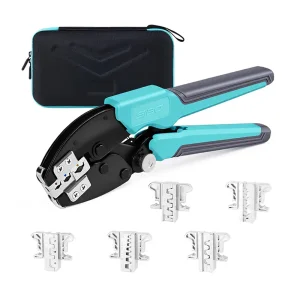
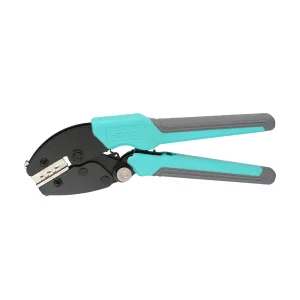
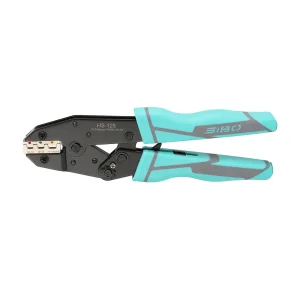
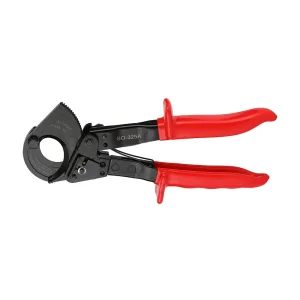
Key technical answers direct from our senior mechanical tool designers and quality assurance engineers to help streamline your procurement evaluation.
