
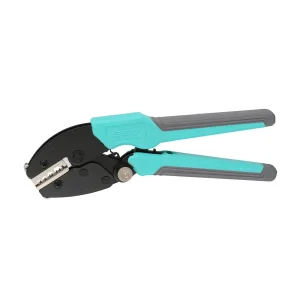
Discover our precision-machined hand ratchet crimpers, hydraulic-assist units, and rotary die assemblies calibrated to meet strict IEC 60352-2 and UL 486A mechanical pull-out standards.
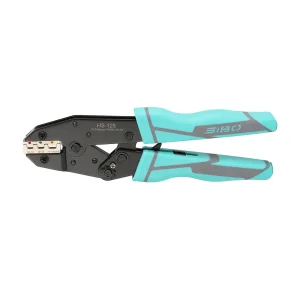
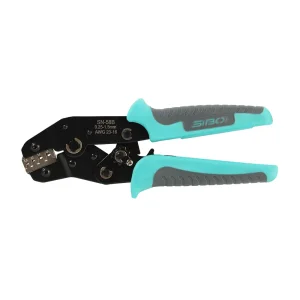
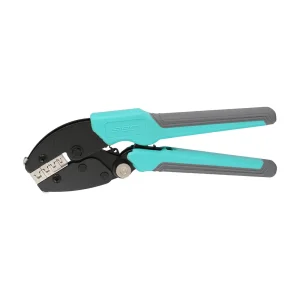
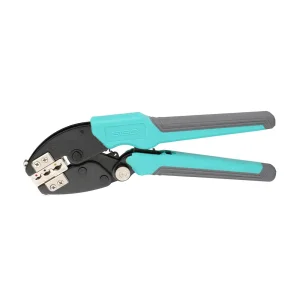
The shift toward commercial electric vehicle (EV) architectures, multi-megawatt energy storage systems (BESS), and DC microgrids is rewriting engineering requirements for heavy-gauge battery cable crimpers.
Traditional compression profiles frequently left microscopic void fractions in multi-strand copper cables. Modern battery terminal crimping requires cold-weld gas-tight compression, reducing joint contact resistance below 5 micro-ohms to prevent thermal runaway under 800V EV surge loads.
Die assemblies must withstand dynamic tonnage cycling without micro-deformation. Our production utilizes high-density 42CrMo and SCM440 tool steels, finished via sub-micron wire EDM cutting, delivering repeatable crimp heights and razor-sharp perimeter flash containment.
Operator fatigue leads directly to under-crimped battery eyelets. Integrated eccentric pivot designs amplify input hand force up to 30:1, while progressive ratcheting clutches prevent premature jaw release before physical bottoming of the upper and lower die beds.
For procurement directors, hardware brand managers, and automotive MRO buyers, securing long-term OEM/ODM crimping tool partners requires balancing batch consistency, die longevity, and supply chain resilience.
Underperforming crimpers cause strand shearing or high resistance, leading to field recalls. Direct factory partnerships ensure controlled jaw hardness (HRC 48-52), precision calibration, and zero-defect quality control prior to container loading.
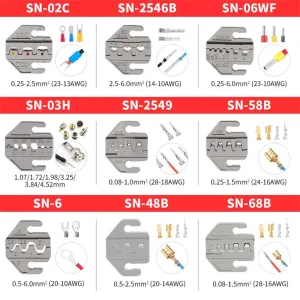
Streamline logistics by procuring hybrid die platforms. Our SO and SN series integrate revolving hexagonal turrets and magnetic quick-change jaw inserts, covering AWG 8 to 4/0 (10mm² to 120mm²) within a single unified handle chassis.
Scale tool brands with rapid turnaround. We offer complete OEM integration: two-color ergonomic TPR grip molding, high-contrast laser brand engraving, custom color anodization, and blow-mold or Oxford fabric retail kit configurations.
Our engineering roadmap combines structural integrity certifications with sensory feedback and lightweight materials, keeping distributors ahead of international regulatory updates.
Full spectroscopic batch tracking of high-carbon steel plates. Strict compliance with RoHS, REACH, and California Prop 65 regulations across all molded handle grips.
Fine-pitch ratchet mechanisms with over 18 locking teeth per stroke cycle, providing micro-positioning capabilities for compact battery bay installations.
Development of integrated digital strain gauges and tactile bypass indicators that signal positive terminal completion to eliminate operator error.
Next-generation high-leverage frameworks utilizing drop-forged aerospace magnesium alloys, cutting overall tool weight by 35% without sacrificing clamping load.
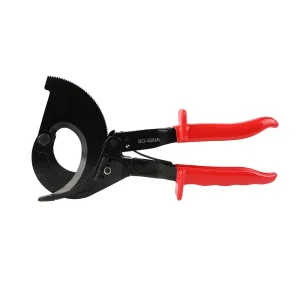
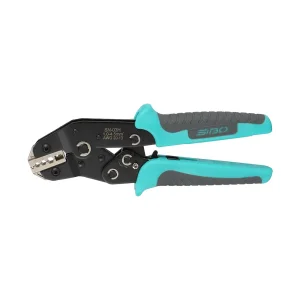
Complementary crimping platforms engineered for specialized industrial interconnects, including solid barrel contacts, heavy gauge battery cables, and high-efficiency shear blades.
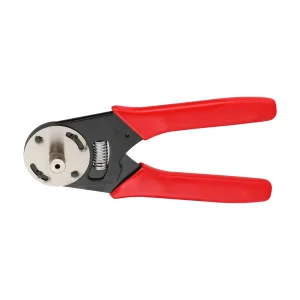
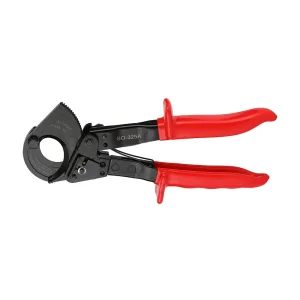
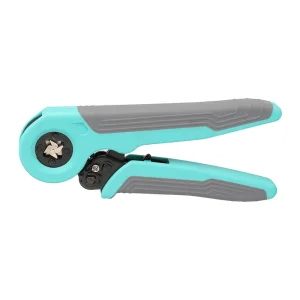
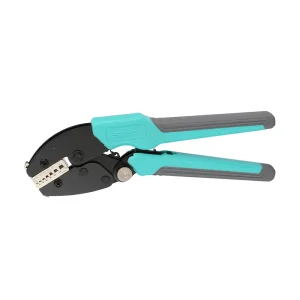
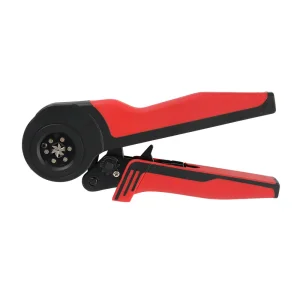
Clear technical insights on die profiles, tensile verification, metallurgical longevity, and custom contract manufacturing services.
Hexagonal crimping delivers symmetrical radial compression around 360 degrees of the terminal barrel, ensuring maximum strand density without distorting outer terminal geometry—ideal for heavy copper battery lugs. Indent crimping concentrates intense local force to displace oxides, making it preferable for specific uninsulated aluminum or heavy cast lugs.
Integrity is verified by tensile pull-force testing according to UL 486A-486B and IEC 60352-2 standards, micro-ohmmeter contact resistance assessments (<5 µΩ target), and metallurgical cross-section polishing to confirm zero inner void space without fractured conductor strands.
Yes. Our in-house CAD/CAM and EDM facilities can replicate any custom terminal geometry from customer-supplied CAD files (.STEP/.IGES) or sample contacts. We typically deliver hardened prototype evaluation die sets within 5 to 7 business days.
Our tool handles use injection-molded dual-compound TPR/PP resins engineered to withstand shop chemicals, motor oils, and brake fluids. The geometry features finger risers and broad palm contact pads to minimize peak localized hand pressure during repeated 50kN strokes.
For standard models with custom laser branding and private packaging, MOQ starts at 500 units. For completely custom die sets, specialized handle colorways, or clean-sheet chassis engineering, production runs typically begin at 1,000 units.
Every tool features an integrated eccentric adjusting disc. By loosening the locking screw and rotating the starred disc clockwise or counter-clockwise, calibration technicians can micro-adjust the clamping stroke to compensate for mechanical wear after thousands of duty cycles.