
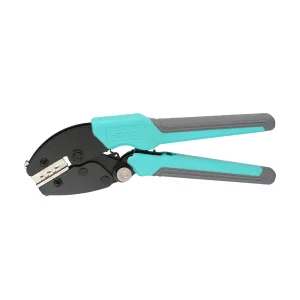
Engineered to handle complex geometries, right-angle flag receptacles, photovoltaic pins, and micro-pitch connectors with strict full-cycle ratchet verification.
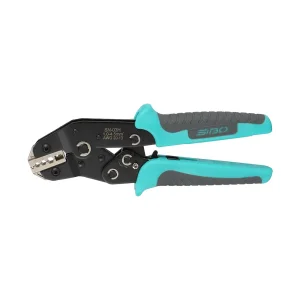
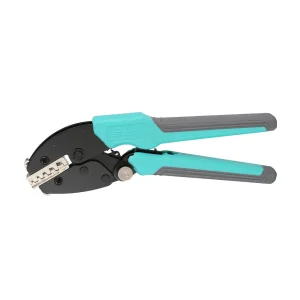
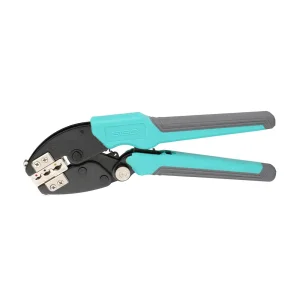
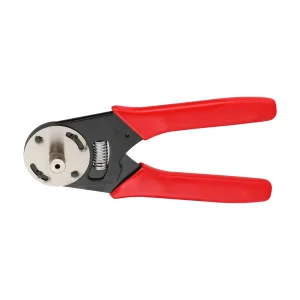
In high-density electromechanical assemblies, right-angle flag female disconnects (such as quick-connect .187, .205, and .250 series) are non-negotiable for low-profile clearance. Standard straight inline tools cannot access or compress these terminals without bending the mating tabs.
Industrial demand for custom flag terminal crimpers is surging due to extreme volumetric constraints in automotive engine bays, HVAC blower housings, smart power meters, and commercial refrigeration systems. A flag terminal crimper applies compressive force perpendicular to the terminal's mating axis. Improper crimping causes asymmetrical wing deformation, conductor core shearing, or loose insulation grip, directly leading to high contact resistance and catastrophic thermal runaway. Tier-1 harness manufacturers partner directly with dedicated tooling factories in Yueqing, Zhejiang, to source tailor-machined dies hardened via vacuum heat treatment, ensuring exact crimp heights (C/H) and crimp widths (C/W) compliant with USCAR-21, IEC 60352-2, and UL 486A-486B.
Review the empirical engineering parameters across our factory's flagship ratchet crimper series, detailing wire gauges, terminal profiles, and industrial compliance benchmarks.
| Tool Series | Terminal Architecture | Wire Gauge Capacity | Crimp Profile & Form | Ratchet Mechanism | Primary Industrial Standard |
|---|---|---|---|---|---|
| SO-FL90 Custom | Flag Quick-Disconnect (90° Insulated / Non-Insulated) | 0.5 – 6.0 mm² (20 – 10 AWG) | Dual-stage asymmetric B-crimp + Insulation wrap | Full-cycle pressure calibrated (with manual release) | UL 310, IEC 60760, USCAR-21 |
| SO-04BPro / SO-06B | Open-Barrel Blade & Receptacle Terminals | 0.5 – 6.0 mm² (20 – 10 AWG) | Two-step conductor and insulation rolling B-crimp | Progressive tooth ratchet, factory adjusted | DIN EN 60352-2, SAE/USCAR |
| SO-30J / SO-125 Pro | Pre-Insulated Terminals (Vinyl, Nylon, PC) | 0.5 – 6.0 mm² (22 – 10 AWG) | Oval & Double-Pressure contour cavities | Quick-release safety toggle, 50,000 cycle rating | UL 486A-486B, RoHS |
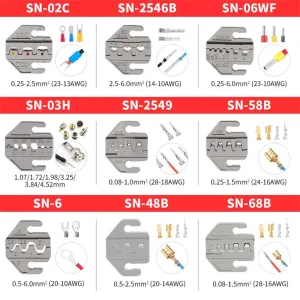
| SO-2546B / C Pro | Photovoltaic Connectors (MC4 & Solar Contacts) | 2.5 / 4.0 / 6.0 mm² (14 – 10 AWG) | Precision locator hex-die & pin positioning | High-leverage eccentric gear transmission | TÜV Rheinland 2PfG 1161, UL 6703 |
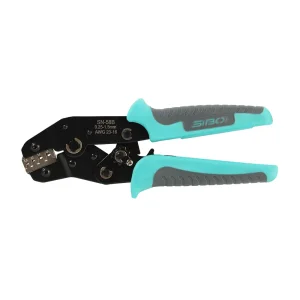
| SN-58B Series | Micro-Pitch Terminals (Dupont, JST, MOLEX, EPS) | 0.08 – 1.0 mm² (28 – 18 AWG) | High-definition CNC EDM machined micro-groove | Fine-pitch micro ratchet mechanism | IPC/WHMA-A-620 Class 3 |
Custom flag terminal crimpers solve space restrictions and structural vibration challenges across global vertical markets.
Modern electric vehicles pack tight routing channels. Right-angle flag terminals crimped with SIBO tools provide high current transfer to auxiliary pumps, steering gear sensors, and HVAC heaters without risking wire chafing or bent terminals.
Distribution boards and motor control centers (MCCs) contain crowded relay banks. Flag crimpers enable electricians to wire DIN-rail components and compact power supplies flush against backplanes, maximizing cabinet airflow and density.
Compressors, dishwashers, and ovens utilize spade terminals subject to heat cycles and motor vibration. Calibrated B-crimp tooling ensures mechanical retention forces exceed pull-out tests up to 250N, preventing intermittent disconnections.
SIBO’s specialized solar connector crimping tools (SO-2546B/C) ensure ultra-low milliohm contact resistance in solar utility farms, preventing hotspot accumulation and ensuring consistent multi-decade lifespan under high UV exposure.
In aerospace test benches and mission equipment harnesses, every gram and millimeter counts. Closed-barrel tools and customized flag indent dies maintain conductor strand integrity with zero strand clipping.
From high-density blade servers to telecom grounding bars, micro-pitch open-barrel dies (SN-58B series) provide accurate, uniform crimping across JST, Molex, and mini-fit connectors without casing damage.
Key technological shifts shaping the production, procurement, and testing of crimp hand tools and automated bench systems.
Factories are replacing low-grade forged steels with vacuum heat-treated AISI 4140 chrome-molybdenum and S2 tool steel frames. This reduces handle deflection under heavy crimping loads, maintaining absolute die parallelism across 50,000+ cycles.
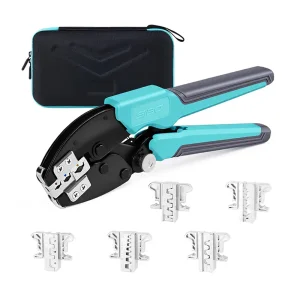
Field technicians can no longer carry 15 different pliers. The market is standardizing on quick-swappable magnetic and snap-lock dies. Technicians switch from flag terminals to solar contacts or wire ferrules in under 3 seconds without hand tools.
Next-generation ratchet tools integrate micro-strain gauges and optical crimp-depth indicators. As automotive standards tighten, factories are implementing optical die-cavity alignment to eliminate human operator error entirely.
A phased strategic overview of tooling advances designed to meet next-generation industrial electrification standards.
High-precision slow-wire electrical discharge machining (EDM) of flag cavities, achieving ±0.005mm surface tolerances to eliminate flash and burrs.
Applying Diamond-Like Carbon (DLC) coatings to die surfaces to minimize open-barrel terminal galling and extend die life beyond 100,000 cycles.
Embedding Bluetooth Low Energy (BLE) micro-sensors in handles to transmit peak compression data directly to factory MES quality records.
Optimizing multi-link compound mechanical leverage to lower hand squeeze forces by 42%, reducing long-term repetitive strain injuries.
Direct answers from SIBO’s tool design engineers on die geometry, terminal pull-out forces, and custom OEM manufacturing.
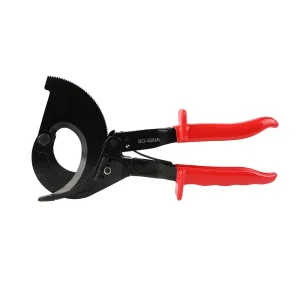
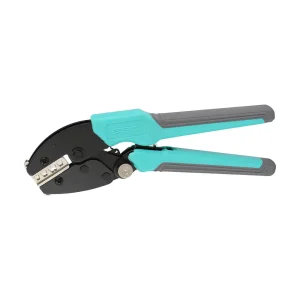
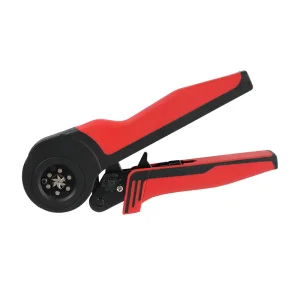
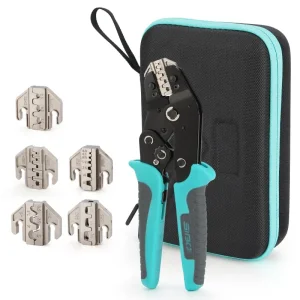
Explore additional high-performance crimping pliers, wire harness kits, and heavy-duty cable cutters engineered for professional installers.
Whether you are expanding a retail tool line, specifying aerospace wire harness production, or developing custom flag dies for specialized automated terminal feeds, SIBO Tools delivers verified die geometry, complete traceability, and flexible OEM manufacturing.