
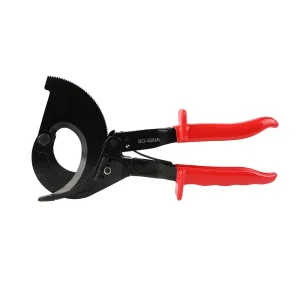
Engineered for high-volume electrical infrastructure, solar utility balance of systems (BOS), and heavy-duty wire harness assembly.
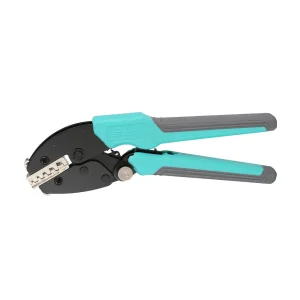
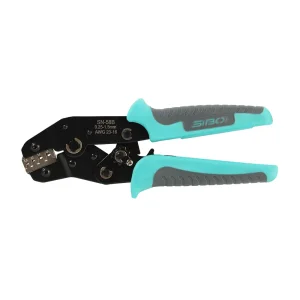
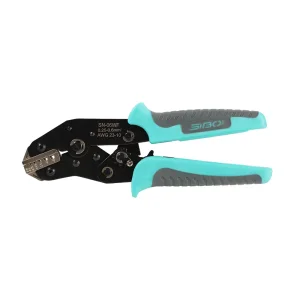
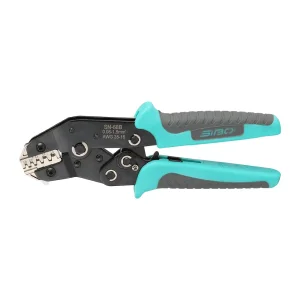
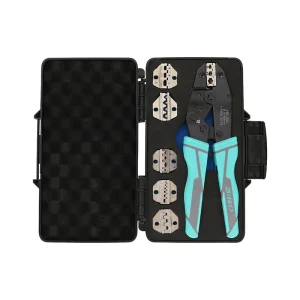
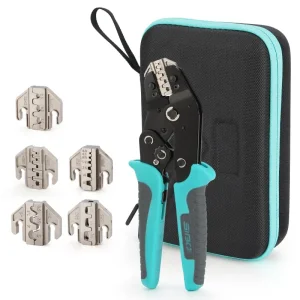
Why modern utility contractors and electrification OEMs are abandoning single-stage compression in favor of dual-displacement hydraulic dynamics.
Single-piston manual and battery crimpers suffer from linear fluid displacement bottlenecks. The twin-piston architecture utilizes a high-volume low-pressure (HVLP) primary piston for lightning-fast jaw closure, transitioning seamlessly to a high-pressure low-volume (HPLV) second piston when resistance is encountered, reducing pre-crimp cycle time by up to 68%.
By splitting the hydraulic workload across dual mirrored chambers, mechanical side-load shear on the internal cylinder walls is virtually eliminated. This equalized hydrostatic pressure keeps seals concentric, entirely preventing fluid bypass, oil weeping, and localized pressure drops during critical 60kN to 120kN maximum compression holds.
Factory-calibrated dual relief valves provide microsecond over-pressure bypass. Once optimal terminal compaction is reached (adhering to IEC 61238-1-3 Class A standards), the circuit releases an audible and tactile click, safeguarding copper microstructures from destructive over-compaction while guaranteeing zero voids.
A strategic breakdown of requirements from Tier-1 EPCs, grid operators, and electrical wholesale distributors sourcing hydraulic crimping tools at scale.
National grid modernizations and high-voltage DC interconnections demand zero-defect connections up to 400mm² to prevent thermal runaways and transmission loss.
Global contractors now mandate verifiable crimp cycles. Integrated mechanical ratchets and micro-hydraulic pressure monitoring prevent human error and partial cycling.
Procurement teams demand cross-compatible jaw geometries that support DIN 46235 heavy-duty compression lugs, BS 7609 guidelines, and UL 486A-486B standards without tooling swaps.
Weight reductions through aircraft-grade forged aluminum heads minimize repetitive strain injuries (RSI) during continuous overhead substation terminations.
Turnkey hydraulic compression tool suites tailored for critical high-reliability infrastructure sectors.
Equipped with specialty hexagon and indent dies rated for 1500V DC installations. Ideal for high-density battery energy storage system (BESS) racks and high-temperature photovoltaic interconnections subject to continuous environmental expansion cycles.
Meets stringent EN 50155 and DNV-GL shock, vibration, and thermal cycle requirements. Delivers high-density compacting of flexible class 5 and class 6 fine-stranded conductors, preserving wire geometry without breaking individual fine copper threads.
Reinforced drop-forged alloy steel heads survive abrasive open-pit environments. Designed for rapid on-site repair of trailing cables and massive industrial pump and generator feeds up to 630mm² with minimal physical user exertion.
SIBO’s Yueqing production base unites integrated CNC machining, continuous vacuum furnace heat treatment, and algorithmic hydraulic pressure verification.
Providing our international wholesale distributors with comprehensive technical, regulatory, and supply chain security.
Every tool batch is subjected to comprehensive hydrostatic burst pressure analysis, yield deflection checks, and continuous 50,000-cycle operational fatigue validations conforming to international CE Machinery Directives.
Full-spectrum private labeling capabilities including precision laser-etched graduation scales, custom polymer injection-molded ergonomic grips, brand-color-matched anodizing, and heavy-duty blown plastic or Oxford fabric carry cases.
Guaranteed 10-year spare parts availability for wear components including high-nitrile dual hydraulic seal rings, return springs, and hardened pivot pins. Regional consignment inventory hubs facilitate rapid replenishment.
Architecting the next generation of smart electro-hydraulic tooling for connected grid ecosystems.
Integration of onboard Bluetooth/NFC chips into the hydraulic block to record peak compaction pressure, dwell duration, and GPS timestamps, enabling instant PDF audit export for mission-critical infrastructure projects.
Replacing traditional chrome-plated carbon steel cylinders with diamond-like carbon (DLC) coated titanium sleeves, shaving tool chassis weight by 35% while increasing maximum operating pressure thresholds to 700 bar.
Next-gen piezoelectric dynamic sensors that actively identify terminal wall thickness in real-time, automatically calculating and applying exact micron-depth stroke parameters for faultless compression of unconventional bi-metallic lugs.
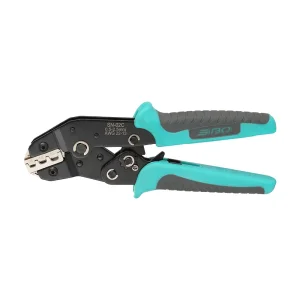
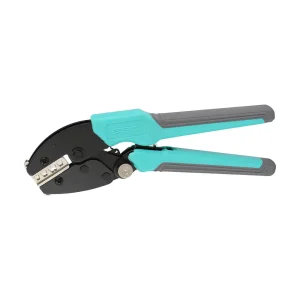
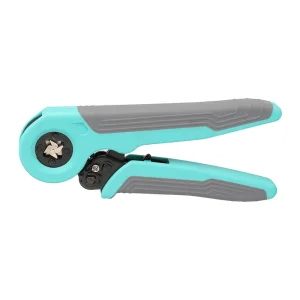
Browse our core wholesale-ready crimping equipment engineered and tested in our Yueqing manufacturing hub.
In-depth engineering answers covering hydraulic principles, die interchangeability, preventive maintenance, and private label procurement.